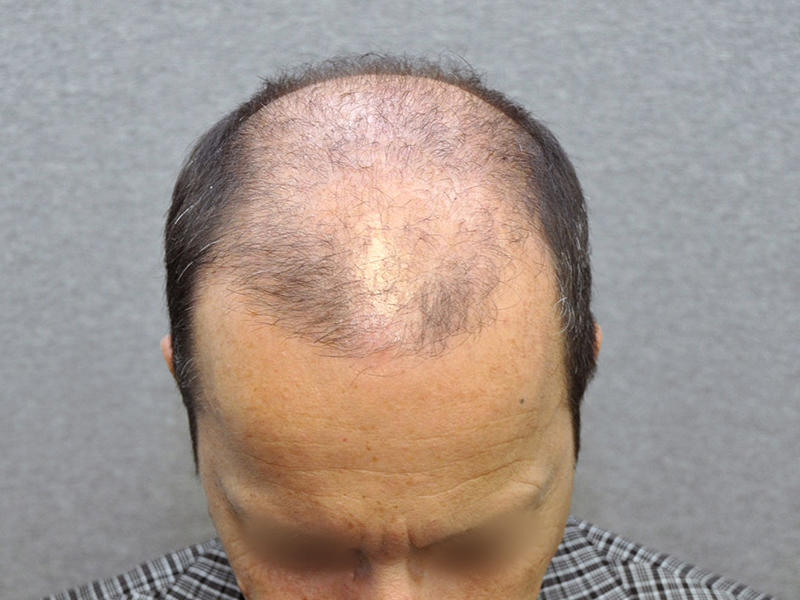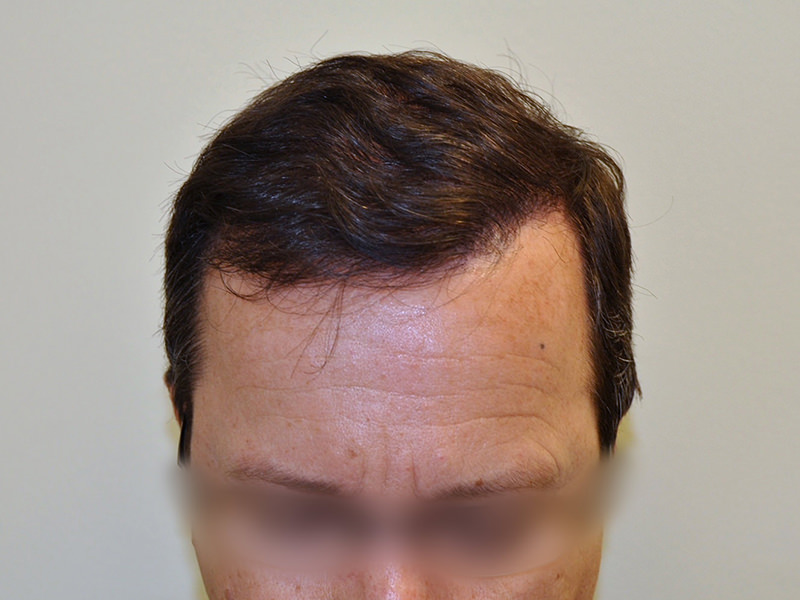


If you’re considering a hair transplant in Richmond Hill, Follicle HT offers surgical and non-surgical options at our boutique hair restoration practice. We help patients explore options for scalp coverage, thinning hair, and hairline appearance through a consultation with a surgeon.
Your concerns guide the conversation. Rather than starting with a predetermined procedure, we discuss what you hope to achieve and which treatments may be appropriate. Richmond Hill residents can visit our Centre Street clinic in Thornhill/Vaughan or our Davenport Road clinic in Toronto. You can also begin with a virtual consultation to discuss your concerns with a surgeon.
Hair Restoration in Richmond Hill for Scalp, Hairline, and Facial Hair Concerns
You may want fuller scalp coverage, a different hairline shape, or more facial hair. We offer restoration services that address each of these distinct goals.
Restoring Scalp Coverage
Hair transplantation redistributes existing donor follicles to selected areas of thinning or loss, such as the frontal scalp or crown. We plan treatment around where additional coverage would matter most to you. The achievable improvement depends on suitable donor hair and clinical candidacy; transplantation cannot promise a return to your original density.
Refining Hairline Proportions
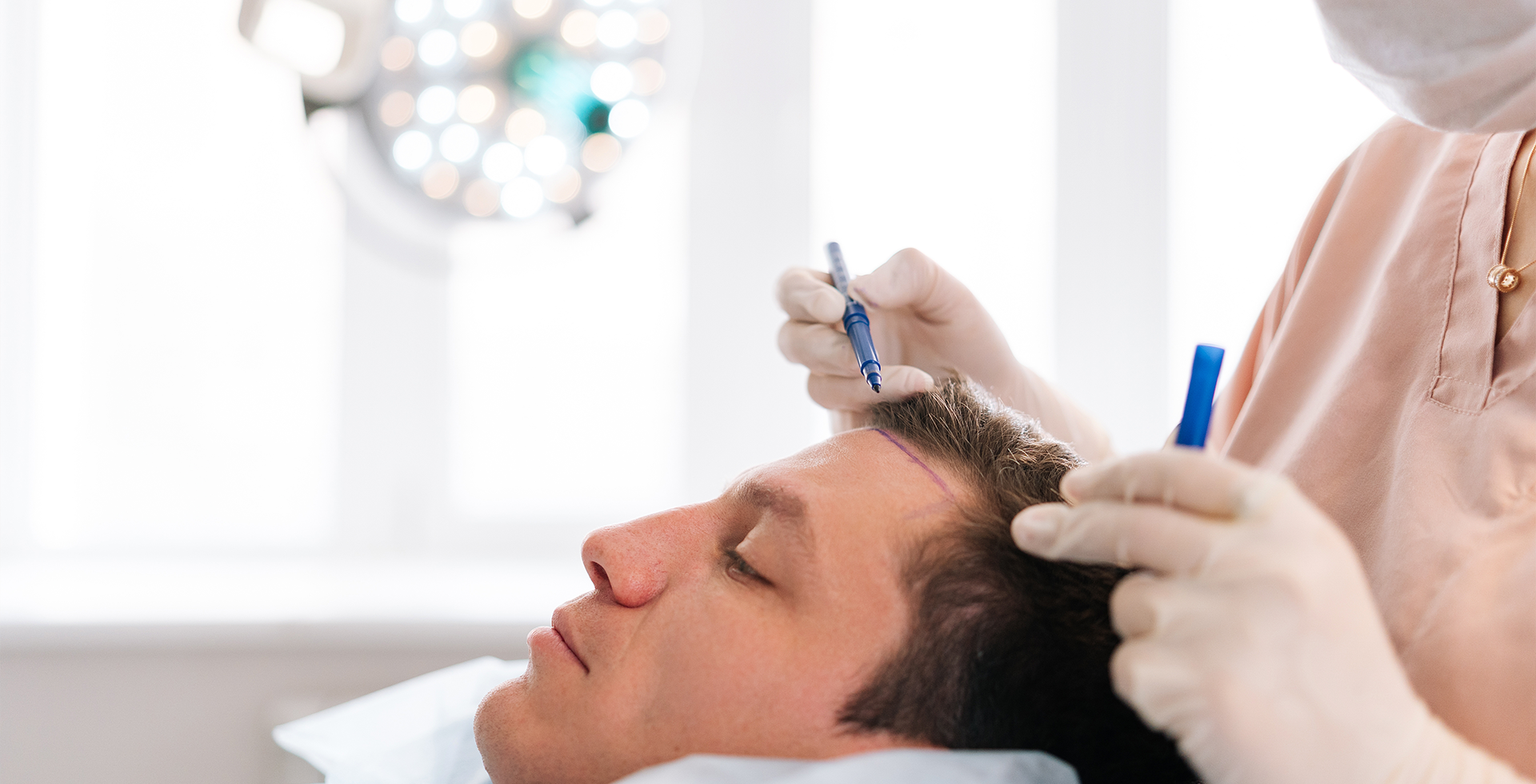
A hairline’s position and contour affect how it frames your face. During planning, we consider those features alongside your facial proportions and desired change.
Transplantation can add follicles to a receding hairline. Surgical hairline lowering instead moves the existing hairline forward to reduce forehead height. These procedures address different concerns, and neither is automatically appropriate for everyone with a high forehead. Your surgeon can explain which approach warrants consideration.
Enhancing Facial Hair
Our eyebrow, beard, and moustache transplantation services offer options for patients concerned about sparse growth or selected gaps caused by scarring. We consider your desired shape and how transplanted hair would be distributed. Treating a scar-related gap requires assessment to determine whether transplantation is appropriate for that area.
Hair Treatment in Richmond Hill for Surgical and Non-Surgical Needs
Medical management, injection-based therapies, and transplantation serve different purposes. We consider how each might contribute to your individual treatment plan.
Medical Hair Loss Management
Medical treatment may help manage ongoing thinning, while transplantation moves donor hair into areas where more coverage is desired. Your remaining, non-transplanted hair can continue to thin after surgery. We review your history, previous treatments, and clinical findings when discussing medical management, including its possible role alongside a transplant.
Injection-Based Therapies
Platelet-rich plasma (PRP) and platelet-rich fibrin (PRF) are injection therapies prepared from your own blood. At Follicle HT, we discuss them as potential additions to a broader treatment plan. Your surgeon will review whether injection-based hair loss treatment is suitable and what benefit you might reasonably expect. Your surgeon can help you understand how PRP or PRF may support your hair restoration goals and fit into your personalized treatment plan.
Surgical Restoration Options
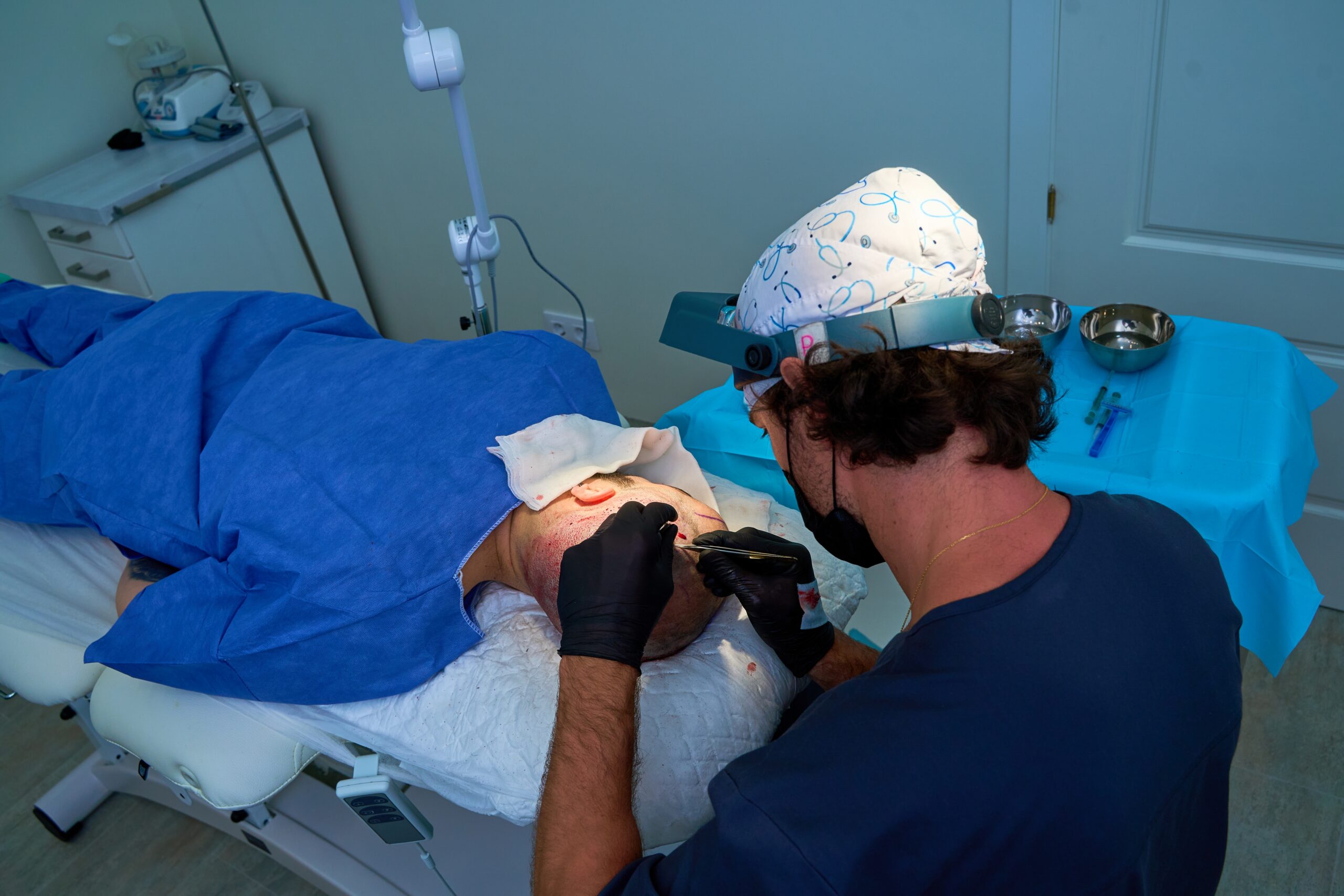
Follicular unit extraction (FUE) removes individual follicular units from the donor area. Follicular unit transplantation (FUT) removes a strip of donor tissue from which grafts are prepared. Both methods relocate donor follicles into planned recipient areas.
FUE leaves small donor scars; FUT leaves a linear donor scar. We consider your donor characteristics, coverage goals, and scarring preferences when selecting a technique. A personalized assessment helps us recommend the technique best suited to your donor hair, coverage goals, and preferences.
Tailored Hair Loss Treatment in Richmond Hill
During consultation, we connect what you want to change with what treatment can realistically offer. Your pattern of loss helps guide that discussion.
Understanding Hair Loss Patterns
A receding frontal hairline, thinning crown, and diffuse thinning call for different assessment considerations. Tell your surgeon when you first noticed the change, how it has progressed, and what you have already tried. The visible pattern provides useful information, but it does not establish the cause of hair loss or determine whether surgery is appropriate on its own.
Evaluating Donor Hair
Donor hair is a finite resource. We assess its availability and characteristics before discussing how much of the desired area could be treated. Hair thickness and texture, along with the available supply, influence the appearance of coverage. When your goals exceed what donor hair can reasonably provide, we explain the trade-offs between treating a wider area and achieving greater apparent density.
Setting Realistic Expectations
Early healing and visible transplant results develop at different stages. You will need time to assess the change rather than seeing a finished appearance immediately after surgery. Your surgeon can discuss expected improvement, limitations, scarring, and recovery demands for your proposed treatment. Ongoing management of your remaining hair may also be relevant as hair loss progresses.
How Follicle HT Stands Out From Other Hair Loss Clinics in Richmond Hill
For Richmond Hill residents comparing hair loss clinics, our boutique practice offers surgeon involvement and a range of restoration services within one practice.
What Role Does the Surgeon Play in My Procedure?
Dr. Mark Korman and Dr. Philip Solomon are involved in treatment planning and procedures at Follicle HT. Both have backgrounds in otolaryngology—head and neck surgery. You can discuss treatment options and aesthetic goals directly with a surgeon, including how the proposed approach aligns with your desired change. Before proceeding, you can also ask about the surgeon’s role in your specific procedure.
What Specialized Restoration Services Does Follicle HT Offer?
Our services include scalp transplantation, hairline lowering, eyebrow and facial hair restoration, and gender-affirming hair restoration. For patients pursuing feminization or masculinization, hairline and facial-hair goals may form part of treatment planning. We consider what matters to you and assess which services are appropriate, rather than assuming a particular procedure suits everyone.
What Guidance Will I Receive Before and After Treatment?
Before treatment, you can review preparation, the proposed procedure, and recovery expectations with us, and ask questions before deciding to proceed. We provide written postoperative instructions for donor and recipient areas. Our hair transplant recovery guidance addresses practical concerns such as hair washing and activity restrictions, helping you plan for recovery and identify questions to raise with the clinic.
Arrange Your Hair Treatment in Richmond Hill with Follicle HT
Discussing your goals with a surgeon can help you understand what’s possible and what’s not. At Follicle HT, we bring surgical and non-surgical options into that conversation so you can choose an approach that fits your concerns.
Richmond Hill residents can request an in-person consultation with a surgeon at our Thornhill clinic, 57 Centre St, Vaughan, or our Davenport clinic, 305 Davenport Rd, Toronto. Virtual initial consultations are also available; an in-person appointment is required before treatment.
Call (905) 764-7799 or schedule a consultation to request an assessment and discuss your next steps.
START YOUR TRANSFORMATION TODAY
Your hair transplant journey begins with your decision to make a positive change.
At Follicle HT, our philosophy is that modern hair transplantation is a freedom granting procedure. We strive to help all our patients look and feel their very best by having the full range of options available.
Let’s open a discussion, see how we can help!