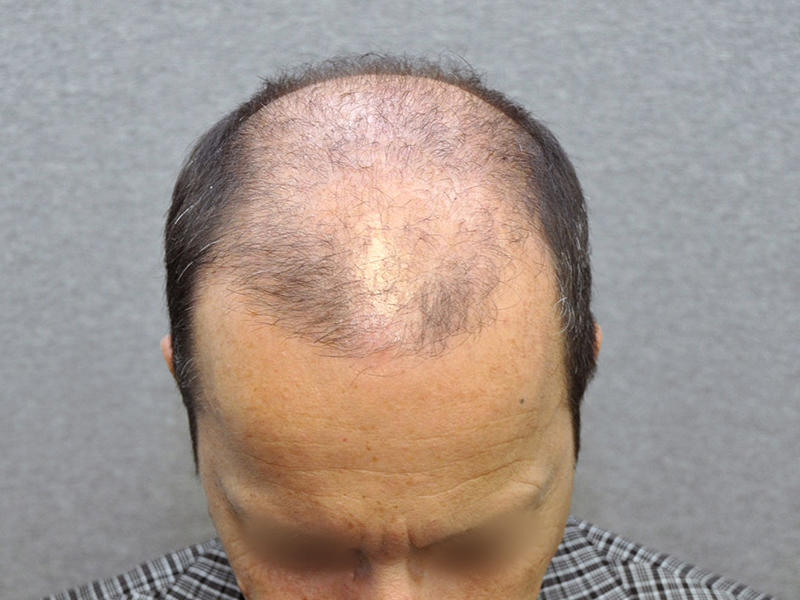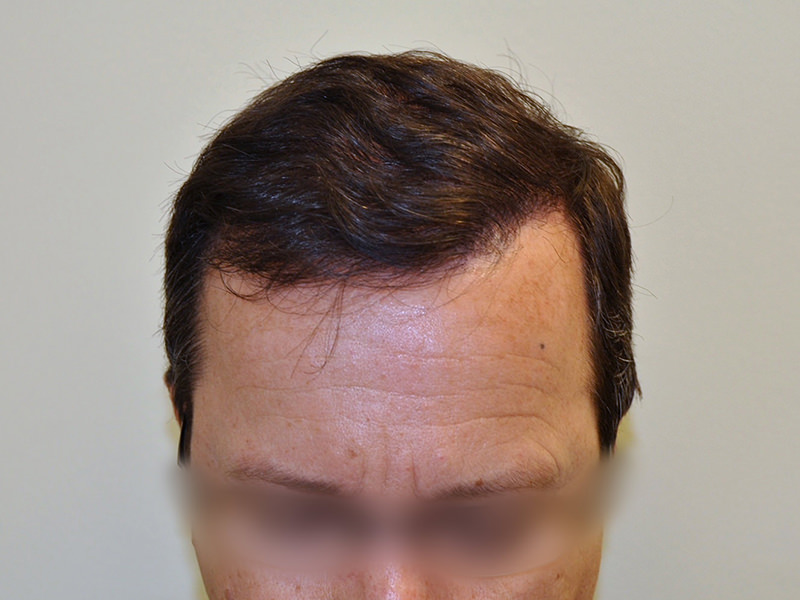


If you’re considering a hair transplant in Toronto, you may be wondering which treatment is right for you. At Follicle HT, our surgeons help you explore your options and set realistic expectations.
Our boutique hair restoration clinic offers FUE and FUT hair transplants, hairline lowering surgery, facial hair restoration, and non-surgical treatments for thinning hair.
You can meet with us at 305 Davenport Road in Toronto or 57 Centre Street in Thornhill, Vaughan. We also offer virtual initial consultations, giving you another way to discuss your concerns before deciding on treatment.
Hair Transplant in Toronto for Natural-Looking Restoration
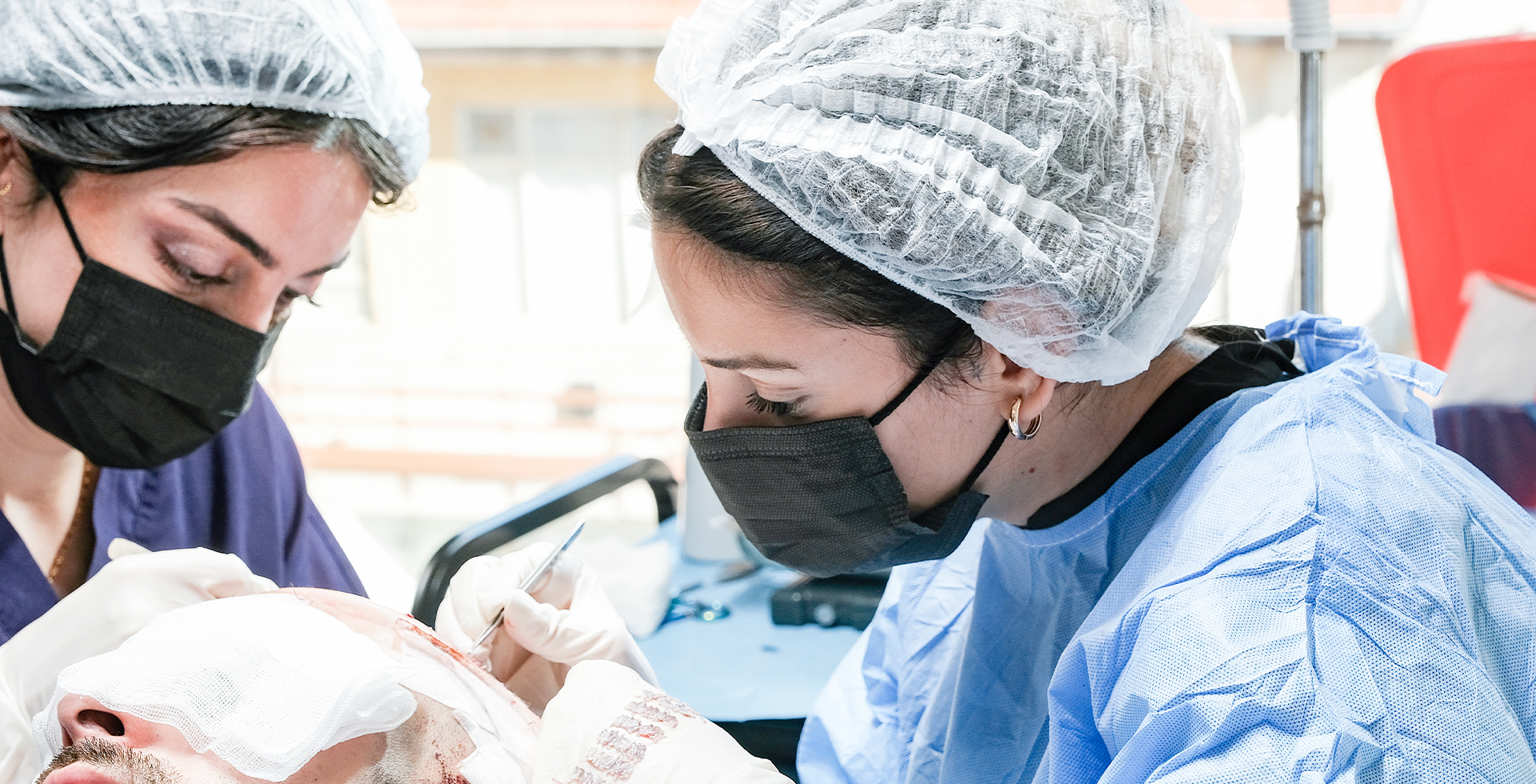
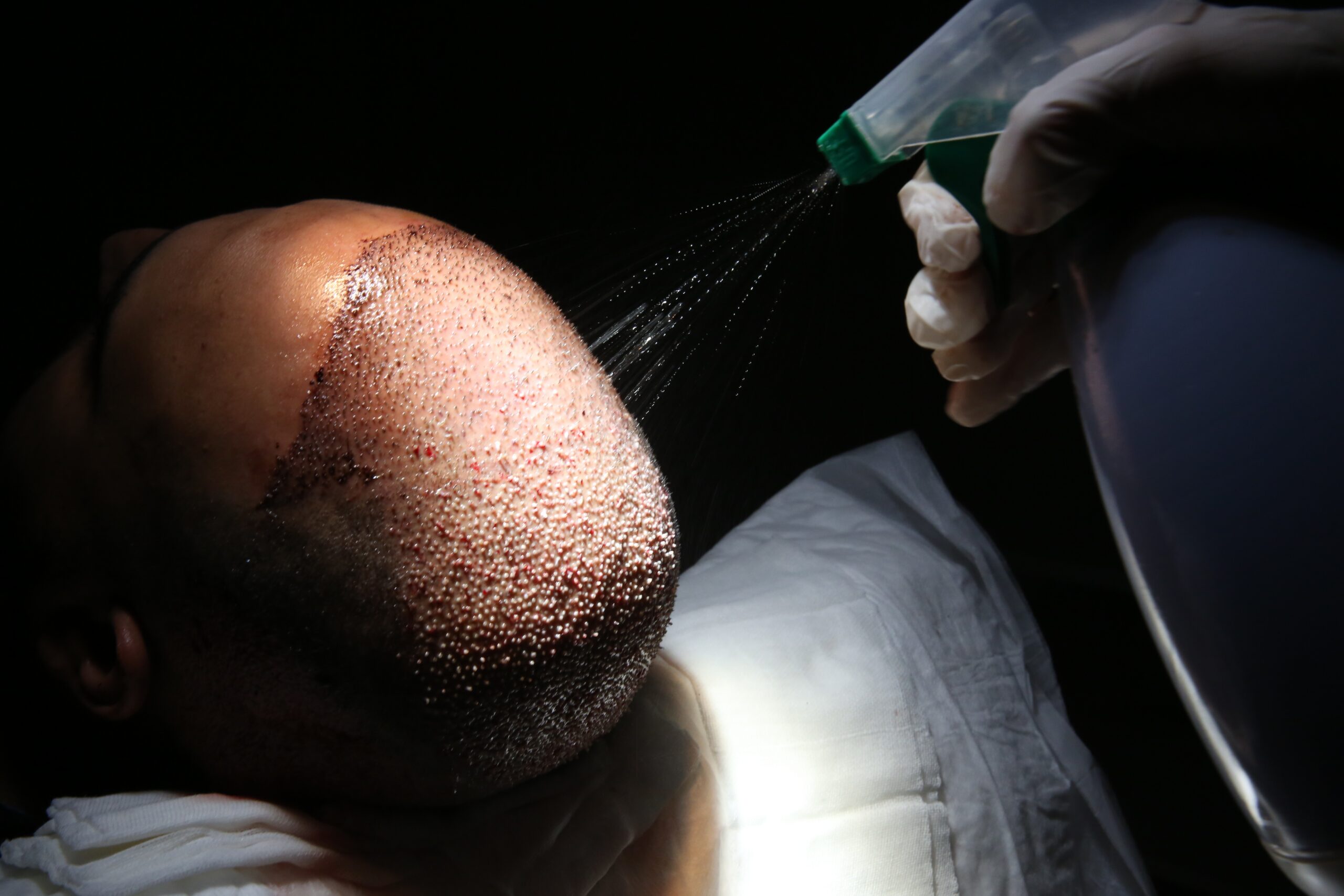
A hair transplant moves healthy follicles from one part of your scalp to an area where hair has thinned or stopped growing. We offer two techniques, FUE and FUT, and recommend the one that best suits your hair, the coverage you need, and your long-term goals.
Follicular Unit Extraction (FUE)
With FUE, our surgeons remove individual follicular units, usually from the back or sides of your scalp, and transplant them into areas affected by hair loss.
FUE doesn’t leave the long, linear scar associated with FUT. Instead, it leaves small, round scars where the follicles were removed. How noticeable these become depends on how your scalp heals and how you wear your hair.
When considering an FUE hair transplant in Toronto, we’ll examine your donor hair, discuss the coverage you want, and consider how further hair loss could affect your results.
Follicular Unit Transplantation (FUT)
FUT takes a different approach. Your surgeon removes a narrow strip of hair-bearing scalp from the donor area, then separates it into individual follicular units for transplantation. This technique leaves a linear scar, which surrounding hair may help conceal. Its visibility depends on healing and hairstyle.
FUT may be worth considering if you need a larger number of grafts or prefer to avoid extensive donor-area shaving. Your donor hair and scalp flexibility also influence whether it’s a good choice. We’ll explain how FUT compares with FUE before recommending either procedure.
Surgical Hairline Design
A natural-looking hairline should suit your face rather than follow a standard shape. When planning where to place each graft, we consider your facial proportions, age, existing hairline, and the direction your hair grows.
We also need to account for possible future thinning. By using your available donor hair carefully, we can plan a hairline that provides appropriate coverage without overlooking areas that may need attention later.
Hair Restoration in Toronto for Scalp and Facial Hair
Not everyone seeking hair restoration has the same concerns. Some patients want to address thinning on the scalp, while others hope to fill gaps in their eyebrows or facial hair. We offer treatments for these different needs.
Male Hair Restoration
A receding hairline, thinning crown, or hair loss around the temples can gradually change your appearance. If you’re experiencing male-pattern hair loss, we can help you understand what’s happening and what you can do.
Our surgeons consider how much hair you’ve lost, whether the thinning is likely to continue, and how much healthy donor hair is available.
Depending on your situation, we may recommend transplantation, medical treatment, or a combination of both. We also plan for the possibility of further hair loss so that your donor hair is used thoughtfully.
Female Hair Restoration
Hair loss in women often appears as a widening part, reduced thickness across the top of the scalp, or thinning near the frontal hairline.
If you’re experiencing these changes, our first priority is to understand what’s causing them. Some women have healthy donor hair we can use for transplantation. Others experience more widespread thinning that affects the donor area as well.
We assess your hair and scalp before recommending treatment. If transplantation isn’t suitable, we can discuss medical management and other approaches to help address your concerns.
Eyebrow and Beard Restoration
We also offer hair transplantation for sparse eyebrows, patchy beards, uneven moustache growth, and selected areas where hair has been lost through injury or scarring.
Facial hair needs careful placement because its direction, texture, and growth pattern differ from scalp hair. Our surgeons plan each transplant around the surrounding hair and your preferred shape.
If scar tissue is involved, we’ll assess whether the area can support transplanted follicles.
Hair Loss Treatment in Toronto for Various Hair Concerns
Surgery isn’t the only way to address hair concerns. Some patients want to manage ongoing thinning, while others want to lower a naturally high hairline. We offer different treatments based on what you want to change.
Non-Surgical Treatment Options
If your hair is thinning, understanding the cause is the first step toward choosing an appropriate treatment.
For certain types of hair loss, medications such as topical or oral minoxidil and finasteride may help manage thinning. These medications aren’t suitable for everyone, so a clinician will consider your medical history, sex-specific treatment considerations, and possible side effects before recommending them.
Unlike transplantation, medication doesn’t move follicles into areas where hair is missing. It may help maintain existing hair and manage further loss. We can discuss medical treatment on its own or alongside a surgical restoration plan.
PRP and PRF Injections
Platelet-rich plasma (PRP) and platelet-rich fibrin (PRF) are treatments prepared from components of your own blood.
PRP contains a concentrated amount of platelets suspended in plasma. PRF contains a fibrin structure and has different properties that affect how its components are released.
These treatments may be considered for certain types of hair thinning, sometimes alongside medication or other approaches. However, the evidence supporting their effectiveness varies, and neither treatment guarantees new hair growth.
We can explain what is currently known about PRP and PRF, their limitations, and whether either may be appropriate for your needs.
Hairline Lowering Surgery
If you have a naturally high forehead and would prefer a lower hairline, hairline lowering surgery may be an option.
Rather than transplanting individual follicles, the surgeon brings your existing hair-bearing scalp forward and removes a portion of forehead skin. This changes the position of your hairline without relying on transplanted grafts.
How much the hairline can be lowered depends on factors such as scalp flexibility and your individual anatomy. The procedure also leaves an incision scar along the hairline.
Our surgeons assess your forehead proportions, hairline stability, and surgical goals before discussing what’s possible.
Why You Can Trust Follicle HT as Your Hair Loss Clinic in Toronto
When choosing a hair restoration clinic, you should know who will be responsible for your treatment and why they’re recommending a particular approach. At Follicle HT, you’ll have the opportunity to discuss these decisions directly with a surgeon.
Surgeon-Led Care
Our surgical team includes Dr. Mark Korman and Dr. Philip Solomon, who bring backgrounds in otolaryngology—head and neck surgery and facial plastic surgery.
Both surgeons are involved in patient consultations, surgical planning, and procedures.
Their involvement matters because a successful treatment plan requires more than deciding where to place grafts. The surgeon must also consider the condition of your existing hair, the amount of donor hair available, and how your needs could change over time.
Personalized Treatment Plans
We don’t recommend the same procedure to everyone who comes to us with hair loss.
Your surgeon will examine your hair and scalp, listen to what you want to achieve, and explain which treatments may suit you.
That might mean choosing between FUE and FUT, exploring medical treatment, or considering another procedure. You’ll also have the opportunity to ask about limitations and understand what the recommended treatment can realistically accomplish.
Can I Consult In Person or Virtually?
Yes. You can meet with one of our surgeons at 305 Davenport Road in Toronto or 57 Centre Street in Thornhill, Vaughan.
If you’d prefer to start from home, we also offer virtual initial consultations.
During your appointment, you can explain your concerns, discuss treatment options, and ask questions about next steps. Depending on the treatment you’re considering, an in-person examination may be needed before proceeding.
Book Your Hair Restoration in Toronto with Follicle HT Today
Whether you’re dealing with thinning hair, considering transplantation, or thinking about changing your hairline, we’re here to help you understand your options.
Our surgeons can assess your concerns, explain which treatments may be appropriate, and help you decide on the next step.
Visit our Toronto or Thornhill clinic, or start with a virtual consultation.
Schedule a Consultation online or call (905) 764-7799 to speak with Follicle HT.
START YOUR TRANSFORMATION TODAY
Your hair transplant journey begins with your decision to make a positive change.
At Follicle HT, our philosophy is that modern hair transplantation is a freedom granting procedure. We strive to help all our patients look and feel their very best by having the full range of options available.
Let’s open a discussion, see how we can help!